Gray hair is no longer just a sign of ageing; it has become a personal style choice for many people in the UK. From silver streaks embraced with confidence to carefully coloured locks that restore warmth, deciding what to do with gray hair is deeply individual. Lifestyle, profession, skin tone, and even social attitudes all play a role. Some people love the authenticity of natural gray, while others prefer the polished look of dyed hair. Understanding when gray hair looks beautiful and when dyeing makes sense helps you make a choice that truly feels like you.
When Gray Hair Looks Naturally Beautiful
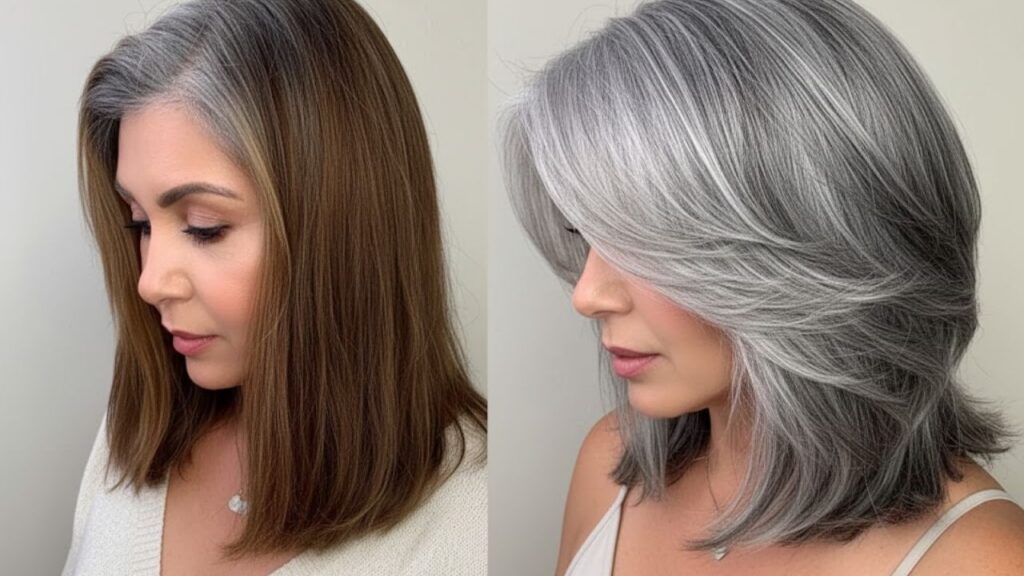
Gray hair often looks stunning when it appears intentional rather than accidental. Well-maintained silver tones can highlight facial features and give a sense of confidence that feels modern and elegant. Regular trims, hydration, and the right shampoo can turn gray hair into a real asset. Many people find that embracing gray supports natural confidence boost and reflects authentic personal style. It can also simplify routines, offering low maintenance beauty and reducing exposure to chemicals. In the UK, where understated elegance is often admired, gray hair can signal mature sophistication and quiet self-assurance. When hair is healthy and evenly toned, gray doesn’t age you—it defines you.
When Dyeing Gray Hair Makes Sense
Dyeing gray hair makes sense when natural tones look uneven or make you appear more tired than you actually are. Patchy grays or bright white roots can clash with your skin tone and prompt you to want a softer appearance through color. Dyeing can restore a youthful balance and create uniform hair tone that looks more refined. For professionals who work with the public color helps manage career image and increases confidence in everyday situations. The important thing is keeping it subtle. Modern dyes enable gentle color blending instead of harsh coverage and help hair maintain a natural look rather than an artificial one.

Finding the Right Balance With Gray Hair
Many people find that the best solution sits between going completely gray and fully dyeing their hair. Methods such as highlights or lowlights and gloss treatments let you reduce the appearance of gray hair while preserving some of its natural look. This balanced option gives you more styling flexibility and makes it easier to adjust gradually as your hair continues to change. It also promotes better hair care practices because keeping mixed tones healthy requires regular attention instead of frequent coloring sessions. In the UK this moderate approach aligns with current beauty standards that celebrate personal style. When you choose balance your hair changes naturally alongside you rather than working against your appearance.

Gray Hair Choices: A Practical Perspective
Deciding what to do with gray hair depends more on how you see yourself than on following any specific rules. Your hair should match how you want to feel in your daily life. Sometimes embracing gray hair shows that you have accepted yourself as you are. Other times choosing to color it gives you a fresh start & renewed energy. The key is making a deliberate choice. When your decision fits your lifestyle and sense of identity it brings emotional harmony and long-term happiness. Instead of worrying about what other people think you should ask yourself what makes you feel comfortable and confident right now.
| Hair Choice | Best For | Maintenance Level | Overall Effect |
|---|---|---|---|
| Natural Gray | Even silver tones | Low | Authentic and elegant |
| Full Dye | Strong gray coverage | High | Youthful and uniform |
| Highlights | Blending grays | Medium | Soft and modern |
| Gloss Treatment | Dull gray hair | Low | Shiny and refreshed |