The mat feels cool beneath your forearms as your toes dig in and your legs quietly strain. Your breathing evens out steady and controlled. Somewhere between the tightness in your abdomen & the focus in your mind a familiar question surfaces: how long should this be held? Ten seconds? Thirty? A full two minutes that stretches endlessly? Planks are often treated as a simple exercise with a universal answer but in reality they are a living conversation between your body and gravity that changes with time. What feels effortless at 18 becomes demanding at 48 and at 68 requires thoughtful care. At every stage of life your core foundation supports the spine & protects the back and allows smooth confident movement. Finding the right hold time means understanding your body exactly as it is today.
The Quiet Storm Inside Your Core
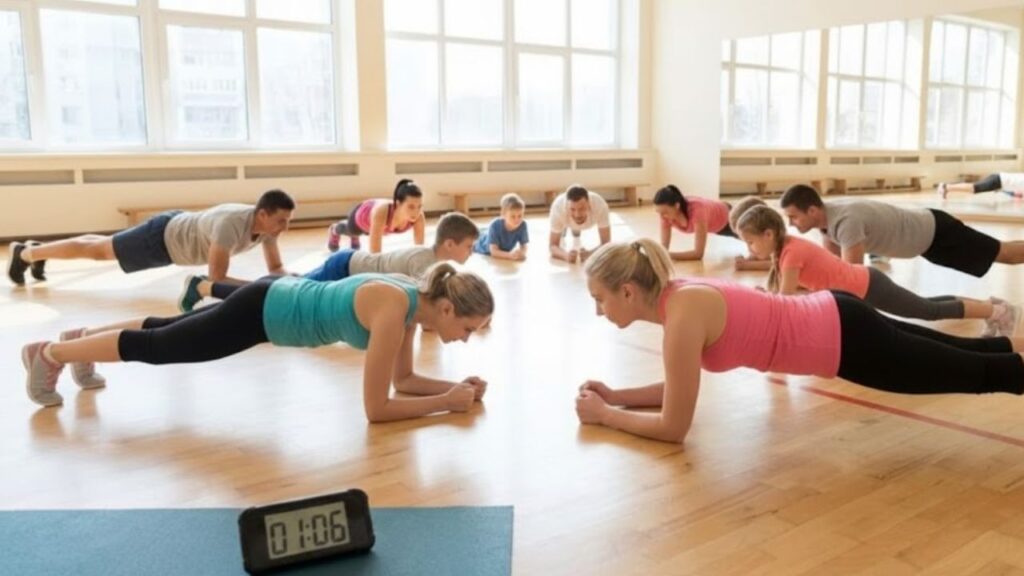
Most workouts make themselves known through loud sounds like pounding footsteps & clanging weights and sharp breathing that fills the room. Planks are different because they happen quietly. You position your body in a straight line with your shoulders over your elbows or wrists and your heels pushed back & your neck loose. When someone watches you nothing seems to be moving.
Inside, however, a subtle storm unfolds. The transverse abdominis tightens like a natural corset, the multifidus provides delicate spinal support, the diaphragm coordinates breath with effort, and the pelvic floor steadies everything from below. These deep stabilizers respond best to calm, precise effort performed consistently. This is why quality matters more than duration. A steady twenty-second plank with clean form often delivers far more benefit than a shaky minute fueled by tension and pride.

The Myth of the Two-Minute Plank
Modern fitness culture celebrates extremes. Two-minute holds. Five-minute challenges. Viral clips of bodies trembling under strain. Somewhere along the way, longer became equated with better.
The quieter reality is less dramatic. After a certain point, extending a plank mainly builds tolerance to discomfort rather than meaningful strength. Coaches and research alike suggest that short, controlled holds, repeated regularly, support core strength and spinal health more effectively than occasional endurance tests. Long planks are not inherently harmful, but their return diminishes as fatigue increases and alignment quietly slips. With time, the goal naturally shifts from survival to support.
Age, Gravity, and the Plank Equation
As you get older your body changes in specific ways. It takes longer to recover from exercise and your tissues lose some of their flexibility. Maintaining balance becomes something you need to think about more carefully. A plank exercise that used to feel natural now requires focused effort. This is not your body failing but simply responding to the normal biological process of aging. The changes happen gradually over time. Your muscles & connective tissues adapt to the years of use. What worked easily in your twenties or thirties needs more deliberate practice in your forties and beyond. Understanding these shifts helps you adjust your approach to fitness rather than fighting against natural processes that affect everyone.
Rather than one fixed rule, flexible ranges work best. The ideal hold ends just before form begins to unravel. Below are realistic guidelines for healthy adults without major injuries, meant as reference points rather than rigid targets.
| Age Group | Recommended Hold Duration (Per Set) | Number of Sets | Weekly Practice Frequency |
|---|---|---|---|
| Teens (13–19 years) | 20–40 seconds | 2–4 | 2–4 days per week |
| Adults (20s–30s) | 30–60 seconds | 2–4 | 3–5 days per week |
| Midlife (40s) | 20–45 seconds | 2–4 | 3–4 days per week |
| Older Adults (50s) | 15–40 seconds | 2–3 | 2–4 days per week |
| Seniors (60s–70s+) | 10–30 seconds | 2–3 | 2–4 days per week |
Your 20s and 30s: Strength Without Restraint
In early adulthood the body typically feels forgiving. Recovery happens quickly and tissues remain resilient while strength develops with relative ease. Holding a plank for thirty to sixty seconds with proper form can be productive. During this life stage most people can maintain a consistent plank duration without much variation. The muscles respond predictably & fatigue sets in at a steady rate. This allows for straightforward progression in training programs. Young adults often find that their core muscles adapt quickly to plank exercises. The body handles the static hold efficiently and maintains stability throughout the duration. Form tends to stay solid from start to finish when the exercise is performed correctly. The recovery period between plank sessions is typically short for this age group. Muscle soreness diminishes rapidly and the body feels ready for the next workout within a day or two. This quick turnaround supports regular training schedules and consistent improvement over time.
The risk here isn’t weakness—it’s ignoring subtle breakdowns. Hips dip, shoulders creep upward, and the lower back quietly protests. Dividing effort into multiple shorter holds often produces better results than one long, punishing attempt.
Your 40s: Strength With Awareness
By the 40s, feedback becomes clearer. Old injuries speak up and stiffness appears sooner. Strength remains, but it demands respect.

For many, the most effective range sits between twenty and forty-five seconds per hold. Some days allow longer efforts; others call for restraint. The focus shifts toward sustainable strength—supporting posture, spine health, and daily movement for the long term.
Your 50s, 60s, and Beyond: Resilient, Not Reckless
The years that follow bring changes to physical strength. Muscle tissue decreases bit by bit and the body takes longer to bounce back after exercise, yet it can still adjust to new demands. Planks remain a useful exercise even when you need to make them easier. As people move through their forties and beyond, their bodies naturally lose some muscle. The process happens slowly but steadily. Recovery time after workouts extends compared to younger years. Despite these shifts, the body keeps its ability to respond to training. Planks work well for older adults because they can be adjusted to match current fitness levels. Someone might start by holding the position against a wall instead of on the floor. Another person might use their knees for support rather than balancing on their toes. These versions still strengthen the core muscles that support the spine & help with daily activities. The exercise targets muscles that matter for everyday life. Getting out of a chair carrying groceries, and maintaining balance all depend on core strength. Planks build this foundation without requiring equipment or putting stress on joints. Consistency matters more than intensity at this stage. Holding a modified plank for twenty seconds three times a week produces better results than attempting an advanced version once and then stopping due to soreness or injury. The goal shifts from pushing limits to maintaining function. Many older adults find that regular plank practice helps with posture. Years of sitting & daily habits often lead to rounded shoulders and forward head position. Planks engage the muscles that pull the body back into alignment. This can reduce neck pain & make breathing easier. The mental aspect of the exercise also provides benefits. Holding a plank requires focus & determination. This mental engagement keeps the brain active while the body works. The sense of accomplishment after completing a set can boost mood and motivation.
Shorter holds of ten to thirty seconds performed with excellent alignment are highly effective. Knee planks or incline planks are not compromises; they are smart adjustments that protect joints while maintaining core engagement.
Knowing When to Stop
Your body will tell you when a plank stops being beneficial and starts becoming dangerous. You should stop if your lower back begins to sag or if your shoulders start moving up toward your ears. Holding your breath or tensing your face are also signs that you need to end the exercise.
Ending a hold at the first sign of form loss is not failure—it is skilled training. Over time, this approach builds efficiency rather than collapse.
Turning Planks Into a Practice
Planks do not need drama. They can fit easily into daily life—a brief hold before coffee, another after work, one before bed. These small, consistent efforts quietly accumulate.
The real benefit is not about setting a new time record. It comes from having better posture, moving around with more confidence and giving your body the support it needs for daily activities. You should only hold the position for as long as you can maintain proper form. Take a break when needed. Do it again. This is how you build core strength that actually lasts.