The radiator started up with its usual metallic ticking sound that normally meant warmth was coming. Outside the wind moved through empty branches and shook the window frames like a quiet signal that colder weather was ahead. Inside the air was warm enough but it felt thin and dry. Your throat felt scratchy and your skin felt tight on your hands while your nose seemed ready to sneeze at any moment. Then you remembered something you heard before from maybe an older family member or somewhere online about putting a glass of water near the radiator to make the room feel warmer. You look toward the kitchen & think about how strange it seems that an ordinary glass of water could actually help heat a room. It sounds like some kind of old myth or superstition. But as the evening goes on and the air gets even drier you fill a glass completely and carry it back to set it down next to the radiator. As the water slowly heats up something small begins to change. It happens in a quiet way that you can barely notice at first but winter always shows its secrets like this.

The Science Hiding in a Simple Glass of Water
At first glance the idea that a simple glass of water can help a room feel warmer without increasing your energy bill sounds almost too comforting to be real. Water does not generate heat after all. It is not a miniature heater quietly working on your windowsill. The real explanation is far more subtle. It is not about producing extra warmth but about helping your body experience the warmth that is already there more effectively. When indoor air becomes dry during winter months it can make you feel colder than the actual temperature suggests. Dry air pulls moisture from your skin and respiratory system which creates a cooling effect similar to how sweat evaporates. Your body loses heat faster in dry conditions even when the thermostat reads a comfortable number. This is where water comes into play as a passive humidity regulator. A glass of water placed in a room slowly releases moisture into the surrounding air through natural evaporation. This process happens continuously and gradually raises the humidity level in the immediate area. Higher humidity means the air holds more moisture which reduces the rate at which your body loses heat. Your skin stays more hydrated and the cooling effect from evaporation decreases. The result is that you feel warmer even though the room temperature has not changed at all. This method works best in smaller enclosed spaces where the moisture from one glass can make a noticeable difference. Larger rooms may require multiple glasses or a more substantial water source to achieve the same effect. The process is slow and gentle so do not expect instant results. Over several hours the cumulative effect becomes more apparent as the air gradually becomes less dry.
When a radiator runs, it does two things at once: it heats the air and dries it out. That dryness often goes unnoticed at first. You might feel it as a slightly scratchy throat, tight skin, static in your clothes, or those tiny shocks when you touch metal. What’s less obvious is how dry air quietly changes the way your body perceives temperature.
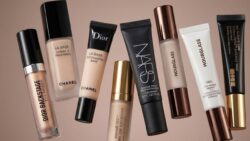 6 Eye Shadow Primers That Keep Makeup Smooth Vibrant and Crease-Free From Morning to Night
Why Dry Air Makes Warm Rooms Feel Colder
Your body is constantly exchanging heat with the air around it. In very dry conditions, moisture evaporates more quickly from your skin and from every breath you exhale. This process pulls heat away from your body, creating a subtle cooling effect—even when the thermometer says the room is warm. The radiator is doing its job perfectly, but your body doesn’t quite agree with the reading on the wall.
This is where the glass of water becomes useful. When you place it near a heat source it gradually absorbs warmth and releases moisture into the air through slow evaporation. The humidity change might be minor but it can help reduce moisture loss from your skin and lungs. The actual temperature stays the same but the room feels softer and more comfortable to your body.
Aloe Vera: The Gentle Tamer
Aloe vera has been used to calm skin for hundreds of years before anyone started selling it in bottles. When you use pure aloe gel it feels cool and light with a slightly slippery texture. It never feels stiff or leaves a sticky residue behind. When you apply it to your eyebrows it works as a gentle styling product that keeps hairs in place without feeling harsh or uncomfortable.
In a homemade brow gel, aloe acts as the foundation. Its natural texture gives light-to-medium control, guiding brow hairs into place while keeping them flexible. When you choose a high-quality gel with minimal additives, it also delivers gentle hydration each time you apply it, making the routine feel more like care than correction.
Cocoa Powder: Earthy Color from the Kitchen
Cocoa powder brings warmth, depth, and natural pigment. Its rich brown tone works surprisingly well as a brow tint, especially for light to medium-dark shades. Mixed into aloe, cocoa creates a soft, stain-like color rather than a bold, painted effect.
The beauty lies in control. A small pinch gives a whisper of definition; a bit more deepens the look. The result blends seamlessly with natural brows, avoiding harsh lines. There’s something deeply satisfying about using the same ingredient that flavors hot chocolate to gently frame your face—beauty and nourishment sharing the same origin.
Gathering Your Little Alchemy Kit
Making your own brow gel feels less like a cosmetic project and more like a small ritual. Clean jars, a simple spoon, a spoolie brush—each item plays its part. The process is calm, tactile, and unrushed.

The basic recipe requires just aloe vera gel and cocoa powder. You can add extras like jojoba oil for smoother application or coffee and charcoal for darker shades if you want. The beauty of this formula lies in how simple it is with only two basic ingredients mixed together carefully.
| Item | Role & Use |
|---|---|
| 2 teaspoons pure aloe vera gel (clear, unscented) | Acts as the main base, providing natural hold, smooth application, and moisture |
| ¼–½ teaspoon unsweetened cocoa powder | Adds a soft, natural tint to enhance brow color |
| Small clean glass jar or lidded container | Used to safely store the prepared mixture |
| Clean spoolie or angled eyebrow brush | Helps apply and shape the product evenly on brows |
| Mini spoon or mixing stick | Used to combine and blend all ingredients smoothly |
Mixing the Gel: Slow, Simple, and Satisfying
Spoon about two teaspoons of aloe vera gel into a clean jar. Sprinkle in roughly a quarter teaspoon of cocoa powder and stir slowly, pressing out any clumps. The clear gel gradually transforms into a smooth, earthy brown.
Test the color on the back of your hand & wait for it to dry a little. Make changes if you need to by adding more cocoa for a deeper shade or more aloe to make it softer. The mixture should feel creamy and light enough to spread without effort but thick enough to stay on a brush. After you finish mixing close the jar and leave it alone for an hour so all the ingredients can blend together properly.
Applying the Gel with Care and Intention
This homemade gel invites a slower approach. Start with clean, dry brows. Lightly dip a spoolie into the jar and wipe off excess. Brush through the brows in short, feathered strokes, following the natural direction of hair growth.
Start from the inside of your eyebrow near your nose & move toward the outer edge. Focus on shaping the brow instead of drawing a hard line. If you want your eyebrows to look more defined let the first layer dry completely before adding a second layer. Pay extra attention to areas where the hair looks thin or patchy. You can use an angled brush to create strokes that look like real eyebrow hairs if you need more detail. The final result should feel soft and move naturally with your skin. It should never feel stiff or look too heavy on your face.
Nature, Skin, and the Choice to Simplify
Making a basic product at home has real value. It cuts down on waste and removes ingredients you don’t need while bringing you closer to the process of making something yourself. Every time you refill a small container you avoid buying another throwaway tube. Every time you use it you remember that beauty can be straightforward and personal.
Natural solutions aren’t universal, and listening to your skin matters. Patch testing is essential, and adjustments are part of the process. Still, there’s power in slowing down, stirring something by hand, and shaping your brows with intention rather than urgency.
When you hold that brush with the cocoa-scented gel nearby you realize that beauty does not have to be complicated. It can be gentle and practical and mean something personal to you. Often it starts with the most basic things around you.