The first time you notice extra hair on your pillow or collecting in the shower drain, something quietly shifts inside you. You stand there with damp fingers pressed against your scalp, trying to remember when your hair started feeling thinner. It creates a subtle panic you rarely show others, but hiding it from yourself is impossible. You may blame stress, weather changes, a new shampoo, or tight hairstyles. These explanations feel safer than admitting that something deeper might be happening beneath the surface.

Listening to What Your Hair Is Trying to Tell You
Hair communicates without words. It shows the effects of sleepless nights and forgotten meals and quick showers and tight hairstyles and strong chemicals and stressful weeks. It responds to hormone fluctuations and changing seasons and the natural aging process. The body gives subtle warnings long before hair loss becomes worrying. These warnings ask for rest & proper nutrition and gentler treatment. Busy modern life makes it simple to miss these signs. When hair starts falling out more than usual most people look for instant solutions. However, there is a better approach that uses home remedies which support the body’s natural processes instead of fighting them.
Oil Rituals: Feeding the Roots from the Outside In
Oiling the hair is an age-old ritual rooted in patience and care. Warming oil between the palms and massaging it into the scalp does more than soften strands—it encourages circulation and relaxation. Coconut oil helps reduce protein loss and protects dry, brittle hair. Castor oil, thicker in texture, is often used sparingly to support scalp moisture. Almond, sesame, and olive oils each bring their own benefits. There is no single perfect oil; blends often work best. Regular oiling paired with gentle massage nourishes the scalp and strengthens roots.
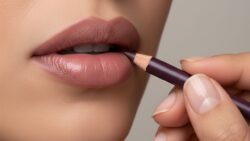 Lip Definition Trick: The Exact Liner Method That Makes Lips Look Fuller Without Overlining
Scalp Massage: The Overlooked Essential
Massaging the scalp is just as important as the oil itself. Using fingertips in slow, circular motions encourages blood flow, helping oxygen and nutrients reach hair follicles. Starting at the hairline and moving backward gently awakens the skin beneath the hair. Just five to ten minutes a few times a week can make a noticeable difference. Beyond physical benefits, scalp massage becomes a signal to slow down, easing tension and stress that quietly contribute to hair shedding over time.
Herbal Oils and Natural Infusions
For those who enjoy a deeper, more intentional approach, oils can be infused with herbs at home. Rosemary, curry leaves, hibiscus, and fenugreek are commonly used. Gently warming these herbs with oil and allowing them to steep transfers their natural compounds into the oil. Rosemary is often linked with improved circulation, while hibiscus and fenugreek support conditioning and strength. The process is slow and mindful, resulting in a personalized oil that feels grounding and nourishing.
Kitchen Remedies and Quiet Nourishment
Many effective hair remedies already exist in the kitchen. Simple ingredients like seeds, yogurt, eggs, and aloe support scalp health and help reduce breakage. These remedies do not promise instant transformation, but they encourage consistency and awareness. Preparing them by hand reconnects hair care with self-care, reminding us that nourishment does not always come from store-bought products.
Fenugreek: Small Seeds, Steady Support
Fenugreek seeds work well when you soak them overnight and blend them into a paste that you can put on your scalp. These seeds contain lots of proteins & natural compounds that many people use to stop hair from falling out and make it feel better. You can apply this paste one or two times each week for short periods to help your hair become thicker and stronger. Like any natural treatment you need to use it carefully and watch how your scalp reacts to it.
Aloe Vera: Cooling and Calming the Scalp
Aloe vera provides gentle relief for irritated or oily scalps. The gel calms inflammation and balances oil production while clearing buildup that might clog follicles. You can apply it directly to your scalp for twenty to thirty minutes to support a healthier environment for hair growth. Mixing aloe with oils or yogurt adds extra nourishment.
Protein Masks from Simple Foods
Hair needs protein support when it is exposed to heat or sunlight. Masks that contain egg and plain yogurt can temporarily strengthen the hair shaft. These masks make hair smoother and reduce breakage. You should apply them to damp hair & rinse them out with cool water. It is best to use these masks occasionally because they provide reinforcement without making the hair feel heavy or overloaded.

Food, Stress, and the Deeper Roots of Hair Health
Hair health reflects overall well-being. Nutrient gaps, chronic stress, hormonal changes, and poor sleep often appear first as increased shedding or thinning. While topical remedies support the scalp, internal balance is equally important. Diets rich in protein, iron, zinc, and healthy fats provide the building blocks hair needs. Hydration and mindful eating quietly support long-term strength.
Stress and Its Hidden Impact on Hair Fall
Periods of stress or illness often trigger delayed hair shedding, where hair enters a resting phase before falling out months later. Managing stress through gentle movement, breathing exercises, adequate rest, and reduced screen time supports the body’s natural repair processes. As stress hormones settle, hair growth cycles can gradually return to balance.
Daily Habits That Protect Hair Strength
The health of your hair depends largely on the choices you make each day. When you select a gentle shampoo and wash your hair only when necessary, you preserve the natural oils that keep it healthy. Focus your shampooing efforts on your scalp rather than the entire length of your hair. After washing apply conditioner to the lengths of your hair. This simple step minimizes friction between strands and prevents them from breaking. Your hair becomes stronger and more resilient when you maintain this routine. Heat styling tools can damage your hair over time. Try to use them sparingly & always apply a protective product first. When you style your hair, opt for loose arrangements rather than tight ponytails or braids that pull on your roots. Even your choice of pillowcase matters for hair health. Smooth fabrics like silk or satin create less friction while you sleep. This small change helps prevent tangles and breakage that occur during the night. These straightforward practices work together to shield your hair from avoidable harm. By making thoughtful decisions about products and styling methods, you give your hair the best chance to remain strong and vibrant.
| Nutrient | Role in Hair Health | Common Daily Food Options |
|---|---|---|
| Protein | Essential for forming keratin, which gives hair strength and structure | Lentils, eggs, fish, paneer, tofu, nuts, seeds |
| Iron | Helps carry oxygen to hair roots and supports growth cycles | Spinach, beetroot, lentils, kidney beans, pumpkin seeds |
| Biotin & B Vitamins | Support energy production and follicle renewal | Whole grains, eggs, almonds, green leafy vegetables |
| Omega-3 | Maintains scalp moisture and calms inflammation | Flaxseeds, chia seeds, walnuts, oily fish |
| Zinc & Selenium | Help repair hair tissue and protect follicles | Nuts, seeds, legumes, whole grains, dairy |
Gentle Detangling as an Act of Care
How you handle your hair makes a real difference. Start detangling slowly from the bottom and work your way up using a wide-toothed comb to prevent extra shedding. Put a little oil or leave-in conditioner on your hair to cut down on friction. This easy routine transforms your daily grooming into a chance to notice early warning signs like dryness or weakness so you can fix problems before they get worse.
Creating a Sustainable Weekly Rhythm
Hair care does not need to feel overwhelming. A simple routine can work well when you stick to the basics. Oil massage a few times each week helps stimulate your scalp and nourish the roots. Apply one nourishing mask weekly to strengthen your strands and add moisture. Handle your hair gently every day by avoiding tight styles and harsh brushing. Eat balanced meals that include proteins and vitamins to support growth from within. Make time for regular stress relief through activities like walking or meditation since stress affects hair health. Results appear gradually over several months rather than overnight. You will notice reduced shedding as your hair becomes stronger at the roots. The texture improves and feels smoother when you run your fingers through it. New growth begins to show along your hairline and part as dormant follicles wake up. Patience matters because hair grows slowly and responds to consistent care over time. Track your progress with photos every few weeks to see the changes that might be hard to notice day by day.
Strengthening the Bond with Your Body
Home remedies do not provide quick solutions. They require patience and careful attention to how your body responds. Each person reacts differently to natural treatments so you need to watch what works best for you. Taking care of your hair with simple ingredients and gentle routines helps you understand your body better. These methods do more than improve your hair because they help you develop a healthier connection with yourself from the inside out.